
DOMINICA
Dominica—a small Caribbean island—is home to one of the last remaining communities of the Kalinago people, the region’s Indigenous population. Unlike in many countries, their land is collectively owned, but Kalinago identity is not officially recorded in national statistics, making it difficult to track their wellbeing.
Despite their rich cultural heritage and deep connection to the land, Kalinago people face significant social and economic challenges. The poverty rate in the territory is nearly twice the national average, and many residents work in low-paying jobs with limited opportunities for advancement.

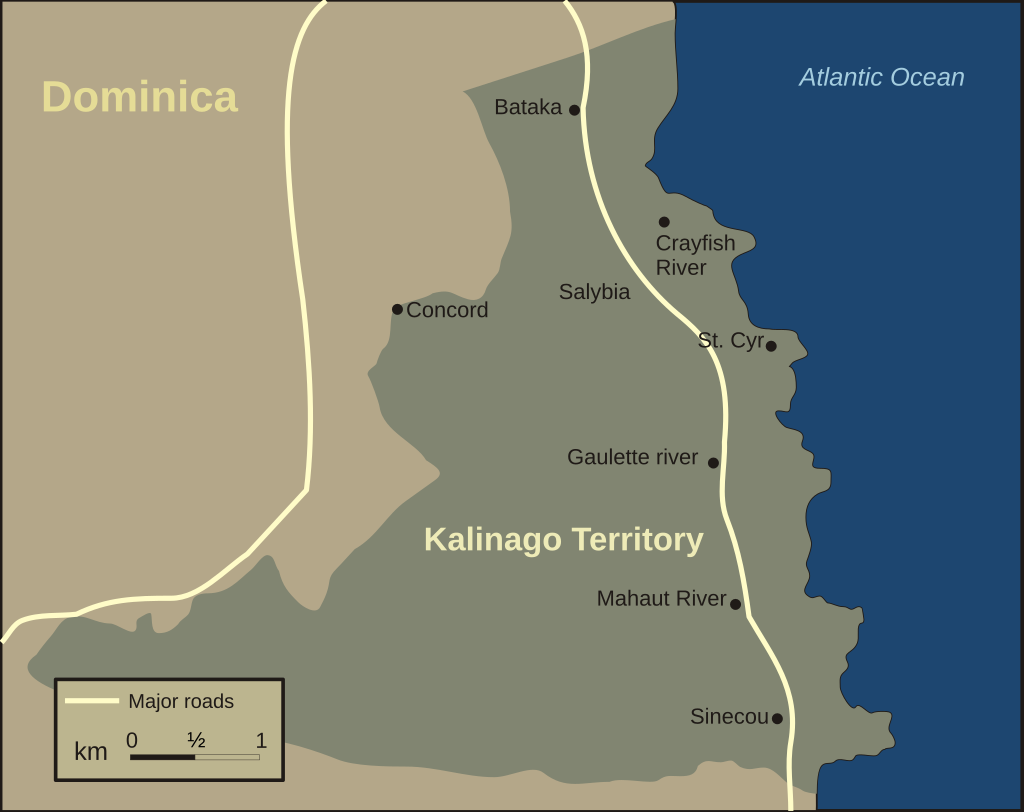
Access to healthcare and mental health support is limited, and data specific to the Kalinago are scarce. However, national surveys suggest concerning trends among youth. One study found that 1 in 5 adolescents had seriously considered suicide, with risk factors including hunger, bullying, loneliness, and early alcohol use.
The Kalinago maintain a vibrant culture rooted in oral traditions, craftwork, and spiritual connection to nature. Their deep knowledge of the land—including sustainable farming and herbal medicine—remains vital for their wellbeing and resilience.
As one of the few Indigenous communities in the Caribbean with a recognized homeland, the Kalinago people are both preserving tradition and facing modern challenges—especially when it comes to ensuring a healthy future for their youth.
 Impact