
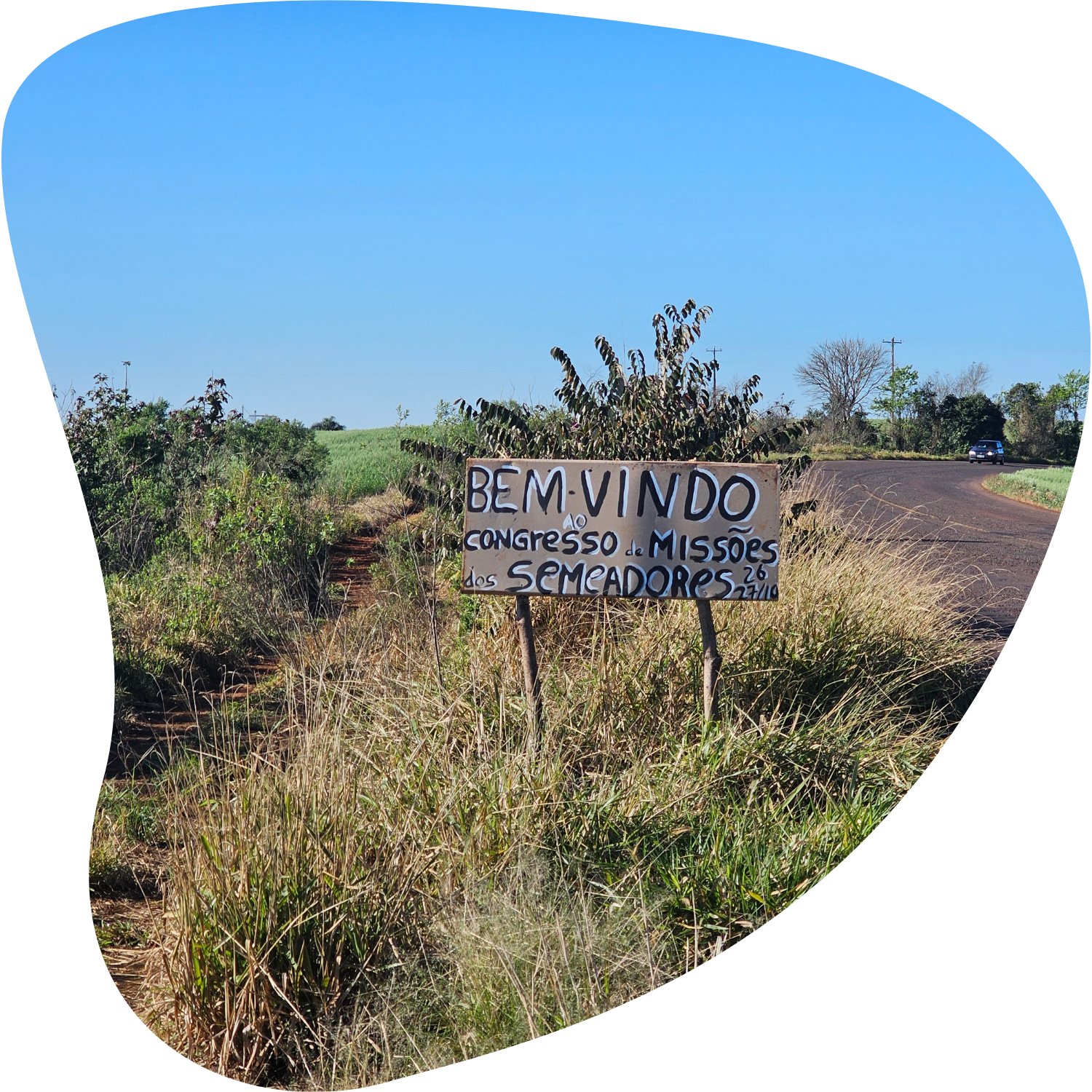
Guarita Lands, Brazil
Brazil is home to 60% of the Amazon Rainforest, yet only about half of the country’s 900,000 Indigenous people still live in Amazon-designated areas due to ongoing land loss.
Among these communities, nearly 42% are under 24 years old—but Indigenous youth face deeply concerning health and safety challenges. They have twice the mortality rate of their non-Indigenous peers, with suicide the leading cause of death, especially among those aged 10 to 24.
Mental health struggles are widespread: one study found that depression affected 35% of Indigenous adolescents, compared to 29% of white adolescents in Brazil. Indigenous youth are also more likely to face physical (72%) and sexual (30%) violence—rates far higher than their non-Indigenous counterparts.
The Guarita Indigenous Territory is located in southern Brazil and is home to the Kaingang people, one of the largest Indigenous groups in the country. Spanning parts of the Rio Grande do Sul state, these lands carry deep cultural, historical, and spiritual significance.
The Kaingang way of life is deeply connected to the land. They grow crops like cassava, corn, and beans, and also hunt, fish, and gather native plants. Handicrafts—including woven baskets, wooden tools, and headdresses—are both a cultural tradition and a key source of income for many families.
Around 8,000 people live in the Guarita Territory, many of them young. Residents face persistent challenges related to health, education, land rights, and environmental protection. Limited access to healthcare, especially mental health services, remains a pressing concern—made worse by the impacts of deforestation, poverty, and discrimination.

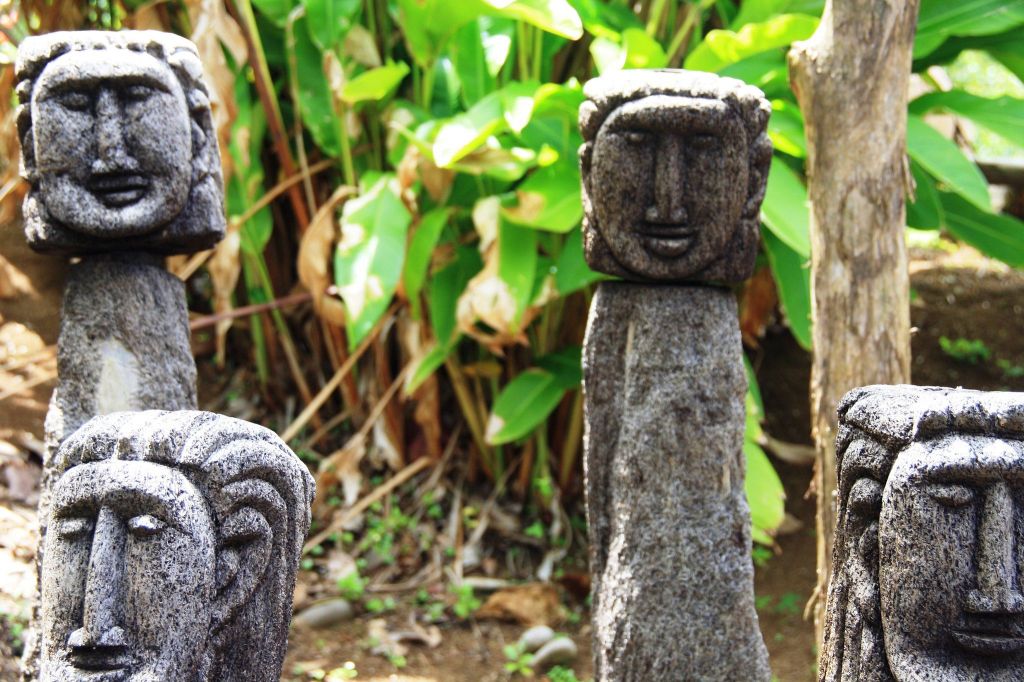
Many Kaingang families continue to live through farming, and some are stepping into the job market. Finding work remains a challenge, and many rely on government support to meet their needs.

The Kaingang speak a language from the Jê linguistic family and have deep cultural roots in the forests and highlands of southern Brazil, especially under the iconic araucaria trees. Their communities are guided by a traditional leadership system led by the Pã’i Mág (Chief) and supported by local leaders known as Pã’isῖ, who also care for community well-being.

Kaingang culture is rich with rituals, music, dance, storytelling, and handicrafts, all reflecting a spiritual worldview deeply tied to nature. Their knowledge of medicinal plants, sustainable agriculture, and soil care continues to play a vital role in supporting their health and preserving the environment.
 Impact